


You know the scenario: a utility-scale solar project hits a snag. Delays pile up, budgets expand, and system performance degrades. Surprisingly, these major setbacks often trace back to the selection of minor components—specifically, the electrical components for solar projects that perform critical functions.
According to recent U.S. Energy Information Administration (EIA) data from late 2025, approximately 20% of large-scale solar projects faced delays. While the industry is stabilizing, “bad components” remain a preventable cause of project hiccups.
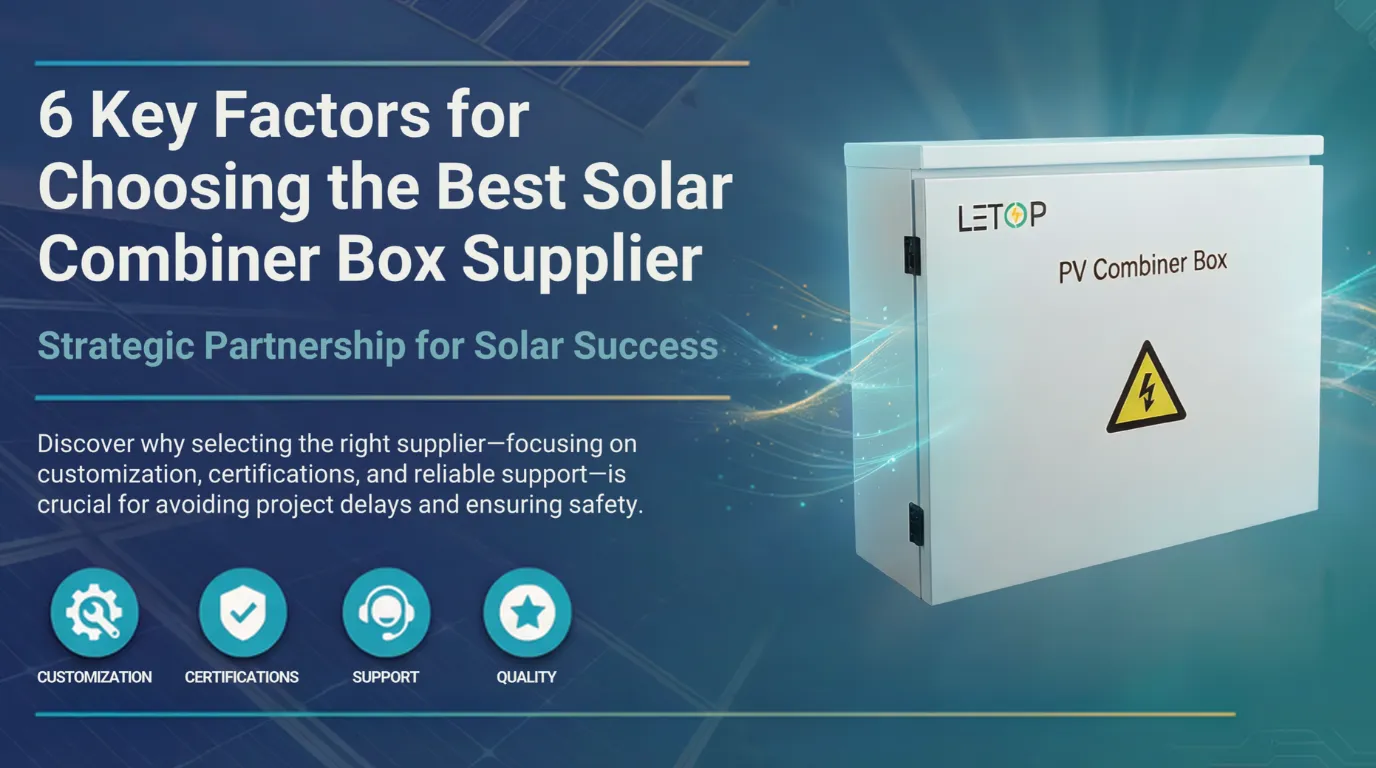
Though a PV combiner box might seem like a small piece of equipment, it plays a massive role in solar PV system safety and efficiency. Using unreliable or mismatched components is like building a foundation with cracked bricks—eventually, the structure suffers.
This guide is designed for Project Managers, Electrical Engineers, and Procurement Managers. Here is your 6-step checklist to selecting the best solar combiner box supplier to keep your projects on time and on budget.
Solar Project Delay Statistics (Q3 2025)
| Metric | Recent Data (Q3 2025) | Notes |
|---|---|---|
| Percentage of capacity delayed | 20% (down from 25% in 2024) | Most delays are now contained to 1–2 months. |
| Cancellation rate | <1% of planned capacity | Cancellations are rare; the focus is on execution speed. |
1. Prioritize Deep OEM/ODM Customization Capabilities
Off-the-shelf, one-size-fits-all solutions often cause more trouble than they are worth in utility-scale solar. Your project might operate in a desert with extreme heat, requiring a robust 1500V combiner box, or in a coastal area needing high corrosion resistance. A standard box often leads to compatibility issues and premature failure.
Why Customization Matters:
- Voltage & String Requirements: Whether you need a 1000V system or the increasingly standard 1500V architecture, the box must match your specific string configurations.
- Environmental Resilience: Custom enclosures (IP65/IP66) are essential for harsh weather conditions.
- Monitoring Needs: Integration of specific monitoring protocols to match your SCADA system.
This is where specialized suppliers shine. Companies like LETOP focus heavily on OEM solar components. They don’t just sell products; they engage in OEM/ODM collaboration, engineering a custom combiner box that fits your project’s unique electrical and physical constraints perfectly.

2. Verify Essential Safety Certifications (UL & IEC)
Procurement isn’t just about fit; it’s about legality and safety. Using uncertified parts is a massive risk that can void warranties, fail inspections, and create fire hazards.
Ensure your supplier holds the “Gold Standard” certifications:
| Certification | What it does | Why it matters |
|---|---|---|
| UL 1741 | Safety standard for inverters/converters (USA) | Essential for grid compliance and safety in U.S. markets. |
| IEC 61439 | Standard for low-voltage switchgear (Global) | Guarantees design verification and structural integrity for global projects. |
| ISO 9001 | Quality Management System | Proves the solar combiner box manufacturer has consistent quality control. |
Working with certified manufacturers makes your project bankable and insurable, providing peace of mind to stakeholders.

3. Favor Suppliers Offering Pre-Wired and Turnkey Solutions
Wiring complex electrical components on a dusty job site is a recipe for disaster. It is time-consuming, expensive, and prone to human error. A loose connection or incorrectly wired fuse can lead to thermal incidents and safety risks.
The Solution: Turnkey Delivery.
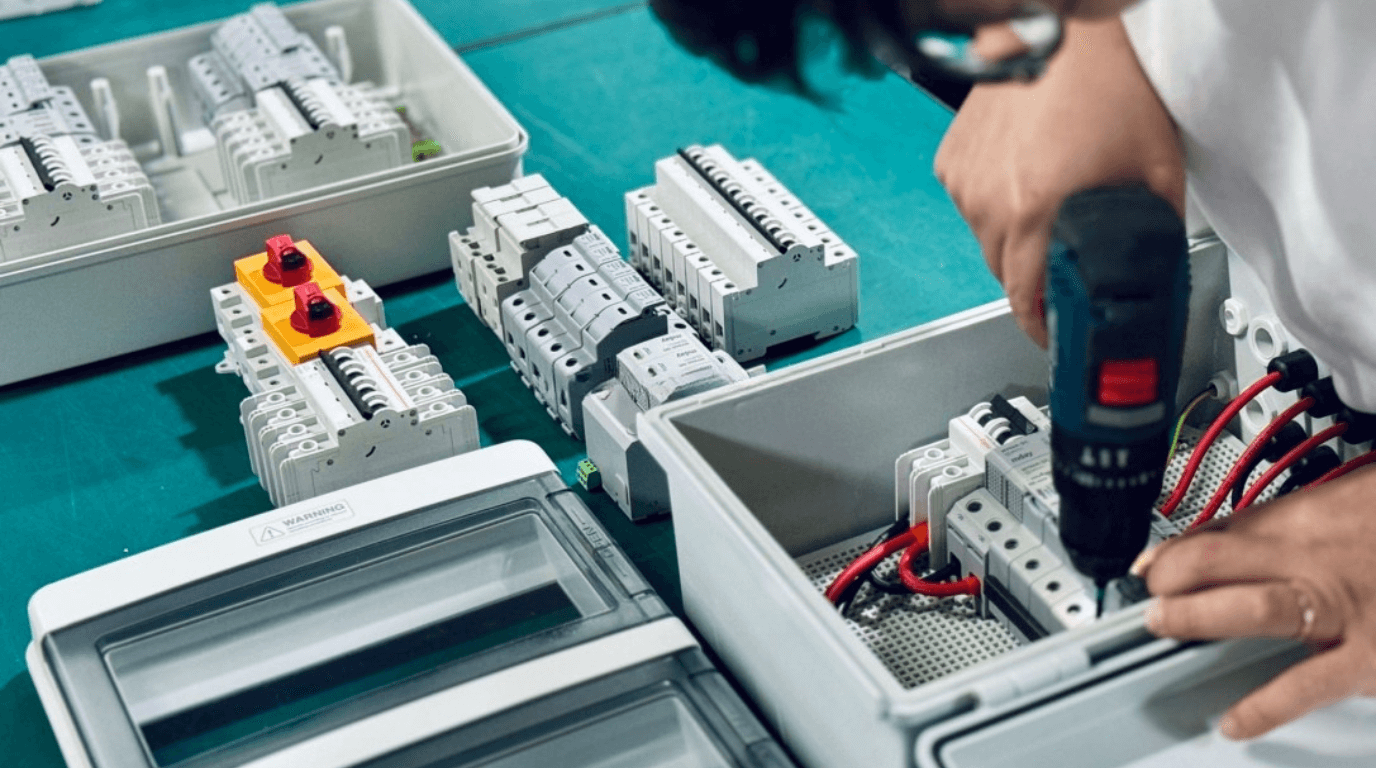
Top-tier solar combiner box suppliers offer pre-wired, factory-tested solutions. The unit arrives fully assembled, with fuses, surge protection devices (SPDs), and monitoring equipment already installed and tested.
- Benefit: Drastically reduces on-site labor costs.
- Benefit: Minimizes installation errors.
- Benefit: Simplifies solar project procurement by consolidating multiple components into one SKU.
Suppliers like LETOP specialize in these turnkey solutions, ensuring that when the box arrives, it is ready to be mounted and connected, keeping your installation schedule lean.
4. Scrutinize Supply Chain Reliability and Lead Times
Even the best certified, custom box is useless if it is stuck in a shipping container when your deadline arrives. In 2025, supply chain transparency is a key differentiator.
Ask your potential supplier these tough questions:
- Inventory Strategy: Do they stock raw materials for critical OEM solar components?
- Lead Times: What is the realistic turnaround for a custom combiner box vs. a standard unit?
- Resilience: Do they have a multi-source strategy for raw materials to avoid bottlenecks?
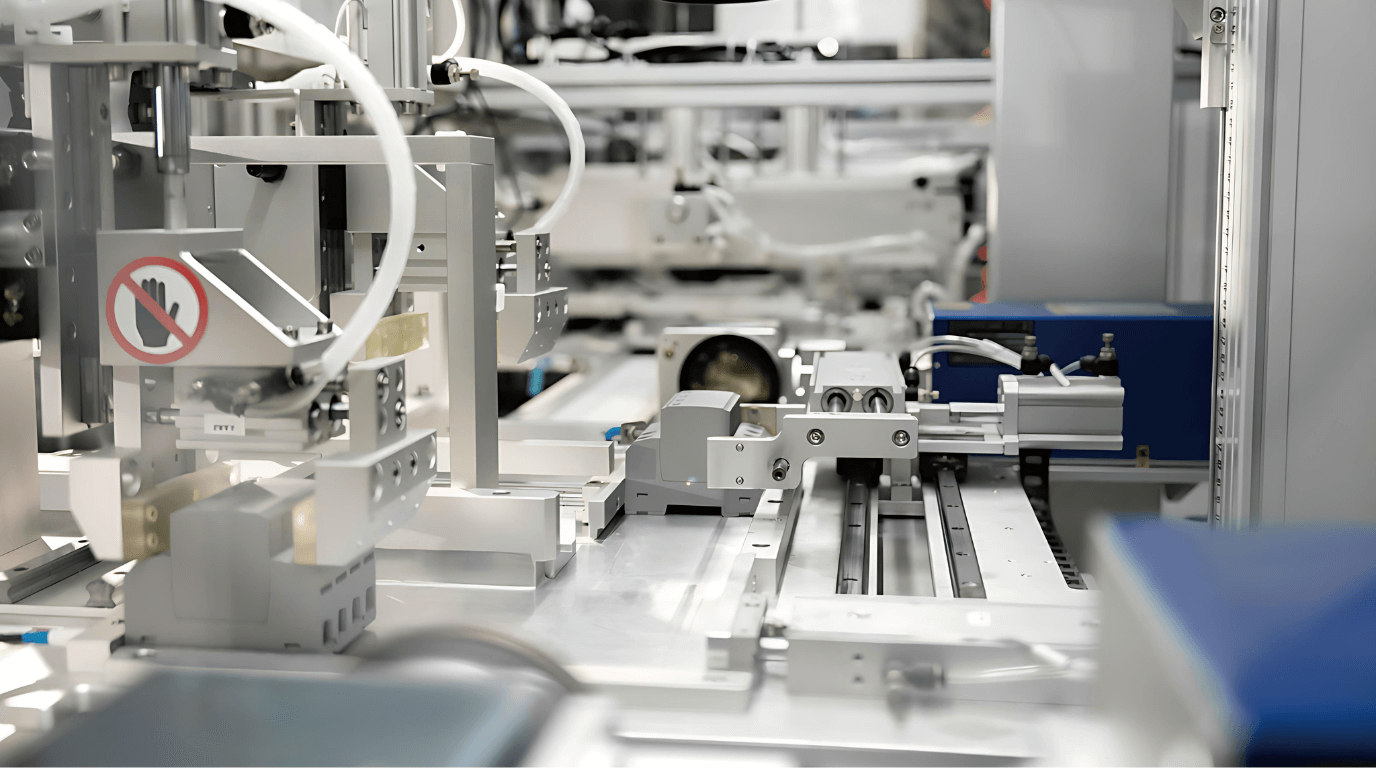
Reliable manufacturers will be transparent about their manufacturing capacity. This honesty is vital for coordinating the arrival of materials with your construction phases.
5. Compare Global Conglomerates vs. Specialized Manufacturers
When choosing a partner, you generally have two options:
- Global Conglomerates (e.g., Eaton, Schneider): They offer massive scale and brand recognition. However, they can be rigid. If you need a specific modification for a 1500V project, their standardized production lines may not accommodate you.
- Specialized Solar Manufacturers (e.g., LETOP): These companies focus exclusively on solar. They are often more agile, offering deep engineering support and faster customization.
The Verdict: If you have a highly standard project, a global brand is fine. But for projects requiring specific configurations, optimized costs, or direct engineering collaboration, a specialized OEM/ODM partner is often the superior choice. They view you as a partner, not just a purchase order number.
6. Evaluate Technical Support and Long-Term Partnership
The relationship shouldn’t end when the check clears. Solar projects last 20+ years; you need a supplier who sticks around.
What to look for in Technical Support:
- Direct Access: Can you talk to the engineer who designed your box, or are you stuck with a call center?
- Documentation: Do they provide comprehensive wiring diagrams and manuals?
- After-Sales Service: How fast is the warranty process? Are spare parts for your specific 1000V or 1500V combiner box readily available?
A supplier that acts as a technical consultant helps troubleshoot issues during commissioning, saving you days of downtime. This level of service is key to maintaining high solar PV system safety standards throughout the plant’s lifecycle.

Conclusion: A Strategic Partnership for Excellence
Selecting the right solar combiner box supplier is not a transactional decision; it is a strategic one. By prioritizing customization, certifications, turnkey delivery, and responsive support, you protect your project against the 20% delay statistic.
Whether you are building a massive utility plant or a commercial rooftop system, choose a partner—like LETOP — that understands the intricacies of OEM solar components and stands behind their product. That is the secret to delivering projects on time, on budget, and with maximum reliability.